Rivers, Ridges, and Work‑worn Hands

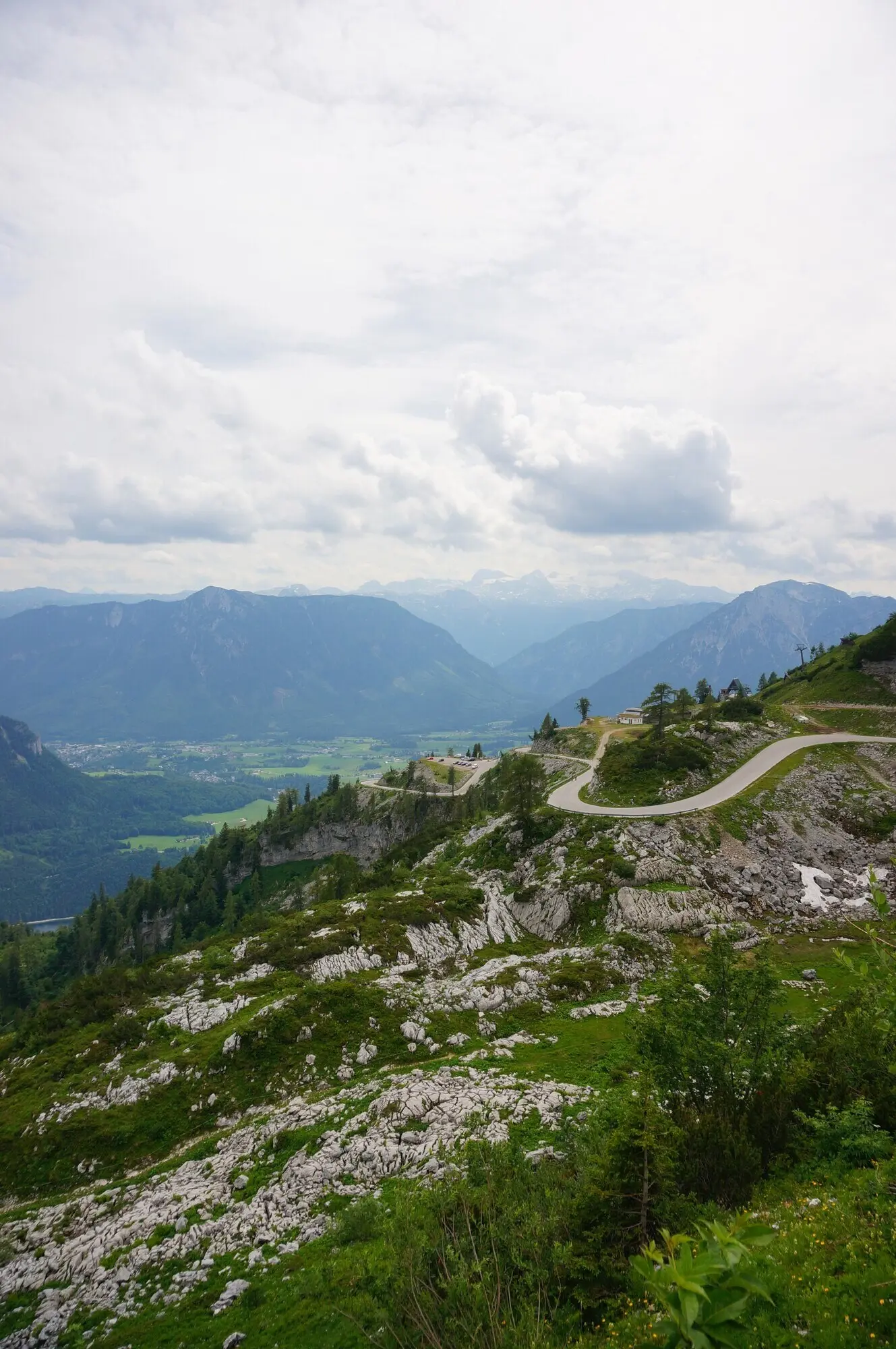
Between the turquoise rush of the Soča and the steady sweep of the Sava, villages learn to read weather like scripture and seasons like a calendar of chores. Fields lean into slopes; roofs gather snow and stories; door lintels hold carved signs of luck. A grandmother mends a sleeve while a grandson whittles cedar shavings that curl like river eddies. Add your comment with a place you love in these valleys, and tell us how water and mountains shape your daydreams of craft and home.

Communities Shaped by Water and Weather

When rivers turn clear as glass after snowmelt, fishermen and carvers swap notes about wood left to season on breezy porches. When storms drum slate roofs, spinners gather, coaxing rhythm from wool and talk. The geography itself becomes a workbench, guiding what is gathered, dried, dyed, and saved. Your reflections on how landscapes teach patience are welcome, because patience is the quiet mentor behind every faithful tool and every carefully mended family bowl.

Seasons as the Original Workshop Calendar

Spring brings shearing and the smell of lanolin; summer sets trestles outside for carving by daylight; autumn hauls clay as streams run low; winter turns rooms into studios humming with wheels and needles. Tasks migrate like birds but always circle back home. If you follow these cycles, you begin to understand why nothing is rushed, and why each finished piece carries a hint of wind, frost, pollen, and hearth smoke from its own making.

Stories Passed Beside the Stove

Elders recall the Goldhorn’s hoofprints pressed into peaks, then point to a rosette pattern echoing that legend. Children learn proportions by measuring wood chips, not rulers. Potters recount near‑disasters when kiln fires roared too bright, teaching humility and courage in one long night. Share a story you’ve heard in a kitchen or shed; those small fireside truths often guide fingers more reliably than any manual ever printed or archived.

From Forest Heartwood to Faithful Tools

Woodcarving here begins in respectful walks through mixed forests of spruce, larch, and beech, selecting logs with tight rings and a whispering scent. Blades are sharpened until they reflect morning peaks. The first cut is a greeting, not a conquest, and offcuts become kindling or spoons instead of waste. Whether shaping a shepherd’s crook, a breadboard, or a church finial, makers balance strength and grace. Tell us which patterns speak to you, and we’ll trace their stories together.

Edges That Listen: Chisels, Knives, and Patience

A carver keeps three rhythms: the tool’s bite, the breath between strokes, and the pause that tests grain with a thumbnail. Gouges scoop like riverbeds; knives whisper clean lines; a mallet taps encouragement instead of force. Wrists learn the subtle give of green wood versus seasoned boards. Beginners are invited to ask about starter sets and safety habits; veterans, please share a sharpening trick that saved your day when a knot surprised the design.

Patterns of Mountains, Stars, and Horns

Motifs wander from meadow to mantel: edelweiss petals radiating courage, rosettes mirroring snow crystals, antler curves praising the Goldhorn, and tidy chip‑carved lattices steady as alpine fences. Even simple hatch marks can echo ridge lines seen at dusk. If a motif catches your eye, notice how it balances negative space and light. Post a photo or sketch in the comments, and we’ll help trace its cousins across doorframes, cradles, butter molds, and walking sticks.

A Day in a Bohinj Shed

Dawn finds shavings on the floor like pale feathers. Coffee steams; a radio murmurs news from valleys away. A cradle rail takes shape beside an old bench, while a traveler’s spoon dries near the window. By afternoon, the carver oils a cutting board, and the grain leaps alive, mountains hidden in the wood. Before locking up, he signs the piece with a notch learned from his grandfather. What ritual closes your workday and honors your tools?

Wool Pathways from Pasture to Hearth

Shepherding the Bovška and Jezersko–Solčava Flocks

These breeds endure weather that tosses sleet and sunlight across the same hour. Shepherds watch hoof health and grazing rotation with the precision of clockmakers, because good wool begins with good pasture. Lambing seasons reorder every plan, teaching flexibility and patience. If you’ve helped at a shearing, share a tip for calming nervous animals or for rolling fleeces without trapping burrs, since those small efficiencies travel far once the spinning wheels begin purring.

Spindles, Wheels, and Dyes from Meadow and Bark

A drop spindle fits a pocket and turns waiting time into thread. Wheels anchor living rooms, their treadles pacing long conversations. Dye pots simmer quietly, coaxing umbers from walnut, golds from onion, and gentle reds from madder. The trick is water quality, mordant balance, and patience with color shifts as fibers dry. Ask for a simple natural‑dye recipe below, or share your own swatch tales so others can learn from your happy accidents.

Knitting Circles and New Wardrobes

Evenings gather neighbors around tea, biscuits, and patterns. Mittens inherit motifs from distant cousins; sweaters map ridge lines across chests and sleeves. Younger makers design lighter silhouettes for cycling commuters, while elders nod at clever shoulder shaping that still respects movement. If you’re beginning, post a photo of your first uneven row; we’ll cheer the wobble. If you’re advanced, suggest patterns that invite beginners into confidence without hiding the joy of honest, visible progress.

Clay Remembering Fire

Clay dug from river flats dries on boards while potters test grit between fingertips. Wheels hum like bees; slip lines dance across bellies of bowls. Wood‑fired kilns demand midnight vigilance, reading flame tongues and chimney breath like weather prophets. When morning opens the bricks, the valley seems to hold its breath too. Inside wait bowls for žganci, jugs for milk, and crocks for sauerkraut, each ringing softly when tapped. What shape would you reach for first at breakfast?
Some clays prefer coiling, some crave the wheel’s steady center. Sand content decides whether a cup sings thin or carries rustic heft. Wedging quiets bubbles; ribs persuade elegant curves. A pot remembers the hand that centered it, just as rivers remember each bend. Beginners can practice cylinders until wrists learn balance. Share your most satisfying form—be it a humble pourer or a sturdy porridge bowl—and tell us why it deserves a place on the table.
Stacked pots nest like sleeping birds, each relying on the next for shelter from sudden drafts. Stoking logs to hold temperature demands teamwork and tea in chipped mugs. Fire writes its own margins—ash kisses here, blushes there—turning control into conversation. At dawn, soot smears like war paint, and smiles are too tired for words. Post your firing playlist or a talisman you carry on kiln nights; rituals help courage when flames decide to test resolve.
Form follows appetite in these valleys: wide bowls to cradle žganci, narrow cups that keep tea warm, crocks steady enough for slow ferments, and pitchers balanced to pour one‑handed while bread is sliced. Surfaces welcome wooden spoons and wool‑draped baskets beside them. Tell us how you use handmade tableware daily, and we’ll trade care tips so glazes keep their luster, rims stay safe, and tiny chips become stories rather than reasons to hide beloved vessels.

Tradition Meeting Tomorrow

Sustainability here is not a slogan; it is the habit of mending, local sourcing, and leaving slopes steadier than you found them. Foresters plan harvests like long conversations with future grandchildren. Designers join elders to translate lineage into pieces that travel urban apartments without losing mountain honesty. Grants, residencies, and school workshops braid new threads into old looms. Tell us how you balance heritage and innovation in your work or home, and we’ll learn together.

Meeting the Makers With Care

Travelers often cross these valleys chasing vistas; the lucky ones slow down for doorways smelling of resin and clay. Respect begins with appointments, quiet admiration, and fair prices that sustain winters. A selfie cannot replace a conversation, nor can haggling replace gratitude for years of practice. When you purchase, you become part of a workshop’s future. Tell us where you plan to go, and we’ll share route ideas, etiquette reminders, and ways to support beyond souvenirs.
Thread a gentle path: Bovec for mountain light and wool, Kobarid for stories and spoons, Tolmin for river whispers, then across to Bohinj’s lakeside workshops and Radovljica’s carved doorways. Leave buffer hours for unplanned tea and kiln peeks. Suggest your favorite village stop, bakery, or footbridge in the comments. Travelers following your breadcrumb trail may find a bench where shavings curl, or a window where fresh bowls glow like dawn just cracked open.
Knock softly, step carefully around laid‑out tools, and ask before touching pieces that might still be green, wet, or newly oiled. Listen as much as you photograph; offer to share links to your posts later. A sincere thank‑you in any language reaches farther than you think. If invited for coffee, accept; time is the most generous currency exchanged. Share an etiquette tip you cherish, particularly one that once turned a brief visit into a lasting friendship.
Temidexoxarisanodavo
Privacy Overview

This website uses cookies so that we can provide you with the best user experience possible. Cookie information is stored in your browser and performs functions such as recognising you when you return to our website and helping our team to understand which sections of the website you find most interesting and useful.